Introduction
Custom apparel entering the EU/US markets must meet stringent chemical, safety, and documentation standards. This guide translates regulatory language into a practical, procurement‑ready workflow for sourcing, sampling, testing, and production. If you are comparing options for design, customization, and OEM/ODM apparel manufacturing, Sportswear Bridge integrates sourcing, materials, and trims in one place to reduce friction and speed compliance. We focus on risk minimization through a structured RSL program, validated compatibility between fabrics and components, and accelerated sample cycles that protect both time and budget.
This guide will answer critical questions like “Which regulations and RSL tests apply to my products?”, “How can I compress sampling and testing timelines without compromising quality?”, and “What procurement levers reduce inventory risk?” To explore ready‑to‑produce categories and materials, visit our apparel manufacturing & custom products. For partnership credentials and sustainability practices, see About Us. The sections below map policy to action so procurement teams, design leads, and operations managers can make fast, defensible decisions.
REACH, RSLs, and US Requirements: What They Mean for Custom Apparel
EU REACH regulates chemicals in articles, requiring control of Substances of Very High Concern (SVHCs), restricted substances, and informed communication across the supply chain. Authoritative summaries are maintained by the European Chemicals Agency: see Understanding REACH and the Candidate List of SVHCs. In the US, apparel must comply with textile flammability standards (16 CFR Part 1610) and applicable chemical limits; the CPSC Testing & Certification FAQs clarify obligations. Many brands operationalize these rules via a Restricted Substances List (RSL) and trim/material qualification program. Procurement should align suppliers to a documented RSL, enforce pre‑shipment testing for risk‑prone categories, and track data in a central system. For California, apparel companies often screen substances referenced under Proposition 65 to mitigate retail exposure risk.
EU: REACH and SVHCs
For EU market entry, define your article scope (e.g., outerwear shell, linings, prints, accessories) and confirm SVHC thresholds, azo dye bans, nickel release for metal parts, and formaldehyde limits in line with your RSL. Ensure test coverage reflects actual risk: prints, coatings, and trims often require targeted testing. Documentation should include supplier declarations, test reports, and consistent lot tracking to support due diligence.
US: Flammability and Chemical Restrictions
US compliance centers on flammability (16 CFR Part 1610) for most wearing apparel and chemical restrictions guided by your RSL. Children’s items require stricter controls and documented testing; adult categories still benefit from a preventive RSL and material qualification. Maintain a clear testing matrix tied to material types and processing steps to avoid late rework.
| Technique | Best Use Cases | Lead Time | MOQ Policy | Testing Notes |
|---|---|---|---|---|
| Cut‑and‑Sew Customization | Team uniforms, performance basics | Standard: 7–10 days samples; 5–7 days yarn‑to‑ship with agile supply | NO MOQ (small batches viable) | RSL screening for fabrics/trims; flammability if applicable |
| Sublimation/Print‑Heavy | Graphics sportswear, fast campaigns | 3D digital proof: 24–72 hours; physical as needed | NO MOQ pilot drops | Ink and binder checks; SVHC and azo control; colorfastness validation |
| Knit/Performance Blends | Activewear, athleisure | Rapid yarn‑to‑ship: 5–7 days with cleared supply | NO MOQ through agile lines | Fiber content verification; sweat/abrasion tests; phthalates for prints |
Unified Sourcing and Material Compatibility
Sourcing can fragment across fabrics, trims, and finishing, creating delays and compliance blind spots. Our Unified Sourcing Hub consolidates apparel, fabric, and accessories so procurement sees a single bill of materials with supplier readiness and RSL status. The Smart Compatibility System pre‑validates material‑garment pairings, reducing trial‑and‑error and late rework. This matters when integrating recycled yarns or complex trims where nickel release, formaldehyde, or phthalate risk must be considered upfront. Centralizing sourcing with compatibility checks protects color, handfeel, and durability while improving first‑pass test success. Explore categories and materials in Products and align components early to prevent downstream surprises.
Sampling: Standard vs 3D Revolution

Traditional samples require coordination across material booking, cutting, sewing, and finishing, typically 7–10 days per cycle (excluding international transit). Cost is often $100+ per physical sample (materials + labor + courier), and teams struggle with color shift in photos and delayed feedback. Our 3D Revolution replaces much of this friction: digital samples are delivered in 24–72 hours at $0, with 8K zoom, photorealistic rendering, and 3D try‑on for fit visualization. You iterate rapidly, validate trims and placement, and only commit to physical samples once the design is locked. This compresses decision time without sacrificing quality, and it improves test planning because the final bill of materials is stabilized earlier.
Testing and Certification Workflow
A strong workflow connects design, materials, and testing into one continuous plan. Start with a risk‑based RSL map, confirm compatibility between fabrics/trims, and produce a 3D digital sample for early approvals. Next, lock the BOM, schedule lab testing for REACH SVHC screening and US requirements (e.g., flammability), and file reports against the production lot. With agile lines, production proceeds even for small batches. Below is a simple visualization and a testing matrix that procurement teams can adapt.
| Risk Area | EU REACH / RSL Control | US Requirement | When to Test | Reference |
|---|---|---|---|---|
| Fabric Dyes | SVHC screening; Azo dye bans | RSL limits as defined by brand | Pre‑production lot | ECHA SVHC List |
| Metal Trims | Nickel release | RSL limits as defined by brand | Pre‑production lot | REACH Overview |
| Screen Prints/Coatings | Phthalates; solvent limits | RSL limits as defined by brand | Pre‑production lot | Proposition 65 |
| Textile Body | Formaldehyde, colorfastness | Flammability | Pre‑production lot | 16 CFR Part 1610 |
| Children’s Items | As above, enhanced RSL diligence | Testing & certification | Per SKU | CPSC FAQs |
Production Speed, MOQ, and Risk
Procurement teams often face MOQ constraints that block pilot drops or seasonal micro‑capsules. Our model removes this barrier with NO MOQ production and agile lines that support small batches without penalty. With streamlined sourcing and pre‑qualified materials, lead times can be as short as 5–7 days from yarn to shipment. Inventory exposure is minimized through 0 stock risk and automated supply chain clearing, allowing you to scale winners while cutting laggards quickly. For operations, this means fewer holding costs, faster feedback loops, and a production plan aligned to real demand instead of forecasts.
Sustainability and Social Compliance
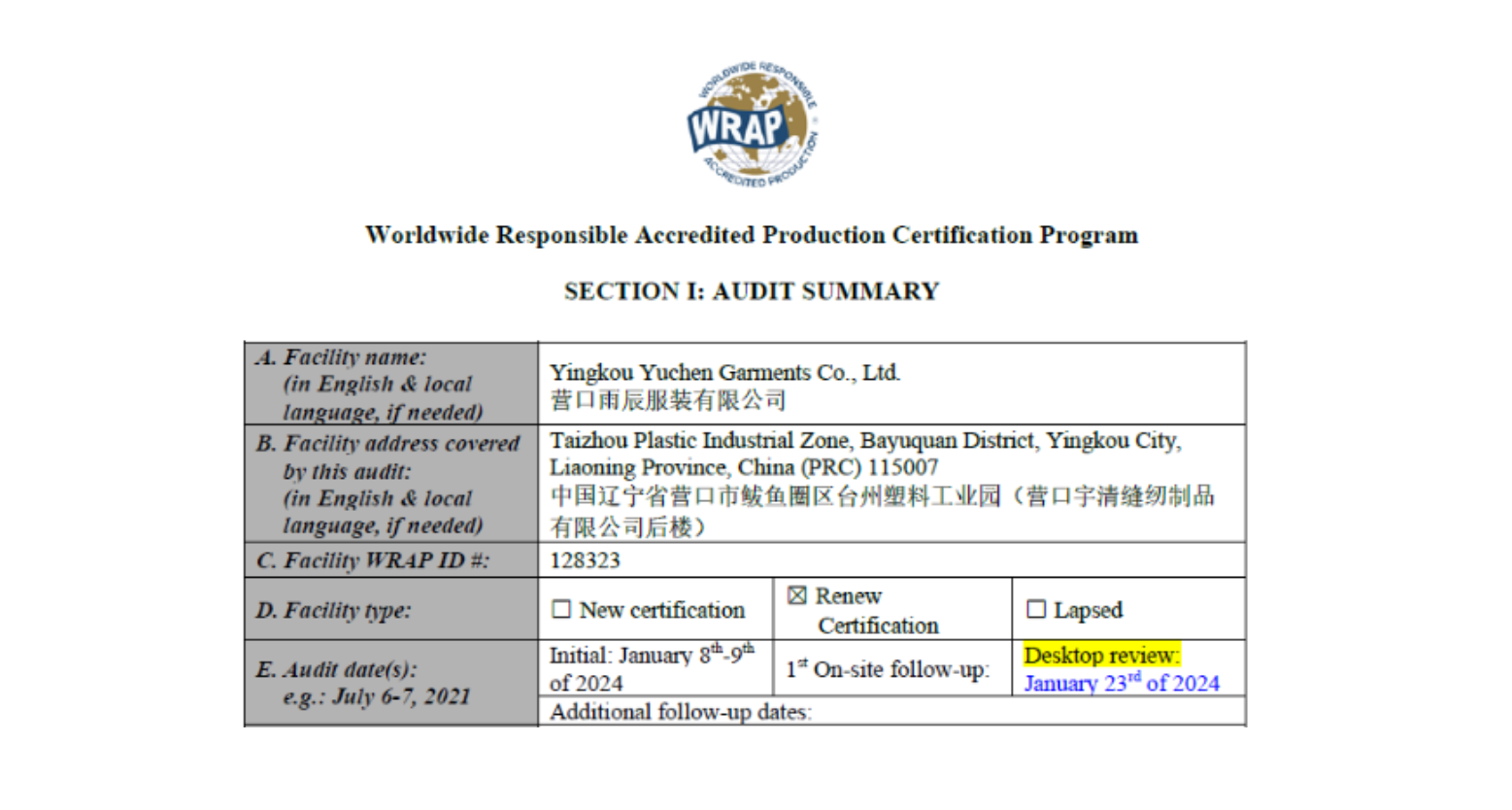
Sustainability is integral to procurement quality and brand value. We provide access to OEKO‑TEX® STANDARD 100 fabrics/components and Bluesign® APPROVED materials, and support GRS recycled inputs. Supply chain performance is tracked with the Higg Index, while factories are partnered under WRAP certification. Supplier evaluation and improvement follow BSCI frameworks. This end‑to‑end approach embeds compliance in procurement decisions, ensuring materials, processes, and audits reinforce your brand’s sustainability commitments. See more credentials on About Us.
Trend Intelligence and Design Capacity
Missing trend signals delays market entry and waste. Our Data Alchemy program uses HS‑code analysis to forecast 2025 demand, aligning materials and styles to emerging patterns with fewer guesswork cycles. The Creative Arsenal provides 300+ successful designs annually, ready for customization. Combined, procurement can select designs with validated market pull, pair them to pre‑qualified components, and accelerate sampling via 3D. This reduces the number of physical iterations while protecting margin and calendar. Browse adaptable categories in Products and build a test‑and‑learn roadmap.
Frequently Asked Questions
How do you unify apparel, fabric, and trims sourcing to reduce fragmentation?
Sportswear Bridge uses a Unified Sourcing Hub to consolidate apparel, materials, and accessories into a single workflow. Our Smart Compatibility System pre‑validates material‑garment pairings, so BOMs are stable earlier, testing is targeted, and rework declines. This directly addresses fragmented sourcing by aligning components and RSL expectations before production.
How does NO MOQ production eliminate inventory risk and speed time‑to‑market?
We operate NO MOQ lines with agile planning, enabling small batches and pilot drops without penalty. Lead time is compressed to 5–7 days from yarn to shipment. Inventory exposure is mitigated through 0 stock risk via automated supply chain clearing, so procurement can scale winners rapidly and cut slow items early.
What is your sample development timeline and cost, and how does 3D sampling change it?
Standard physical samples take 7–10 days per cycle and typically cost $100+ (materials + labor + courier), with photo color shift and slower feedback. Our 3D Revolution delivers digital samples in 24–72 hours at $0, with 8K zoom, photorealistic rendering, and 3D try‑on. You iterate faster, lock BOMs earlier, and schedule testing with greater confidence.
Which sustainability credentials and supplier performance programs do you support?
We source OEKO‑TEX® STANDARD 100 fabrics/components, Bluesign® APPROVED materials, and GRS‑certified recycled inputs. Supply chain performance is tracked with the Higg Index, while we partner with WRAP‑certified factories and follow BSC supplier evaluation/improvement programs. This combination provides traceable sustainability and social compliance across procurement decisions.
Conclusion
A compliance‑ready apparel strategy blends unified sourcing, validated compatibility, accelerated sampling, and risk‑based testing. With NO MOQ, 5–7‑day yarn‑to‑ship potential, and digital samples in 24–72 hours, procurement can move fast while meeting EU/US expectations. Explore categories and begin a pilot today via Products, or contact us through Sportswear Bridge to build your compliance and sourcing roadmap.