Introduction
Choosing an apparel manufacturer is no longer just about price and speed—it’s about compliance, traceability, and reliable customization. This procurement guide focuses on REACH-ready apparel manufacturing and end-to-end customization across OEM/ODM and design services, helping buyers reduce risk while achieving brand goals. For buyers seeking sportswear and performance apparel, visit the Sportswear Bridge homepage and browse the product catalog to align capabilities with your sourcing objectives.
This guide will answer critical questions like “What compliance proofs should you demand from an apparel manufacturer?”, “How do design services translate into production-ready tech packs?”, and “What are realistic MOQ and lead time benchmarks for custom sportswear?” To understand the team and service scope behind OEM/ODM, design, and customization, review the company profile for context.
Why REACH-Ready Apparel Manufacturing Matters for OEM/ODM Buyers
Compliance is non-negotiable in modern apparel procurement. REACH governs chemicals across the EU market; failure to control restricted substances (e.g., azo dyes, phthalates, heavy metals, formaldehyde) can trigger rejected shipments, penalties, or costly rework. Start by aligning vendor chemical management with authoritative standards and official guidance from the European Chemicals Agency (ECHA: REACH overview) and the REACH Annex XVII restricted substances list. For U.S. distribution, ensure alignment with CPSIA requirements. A compliance-first approach reduces surprise testing failures, avoids relabeling, and eliminates duplicate transport. Even a single rework cycle can add 2–4 weeks to timelines and consume contingency budgets.
Risk-aware buyers should map product chemistries, materials, and finishes at the outset (e.g., prints, coatings, trims). Build substance control into specifications, require pre-production test plans, and set acceptance criteria before sampling. Incorporate independently verifiable standards (e.g., OEKO‑TEX STANDARD 100) for consumer safety and use factory-level systems like ISO 9001 and social compliance frameworks such as WRAP and amfori BSCI to strengthen governance.
Selection Criteria: How to Choose a Compliant Clothing Manufacturer
Evaluate vendors on capacity, process discipline, chemical management, and transparency. Confirm whether the factory can provide REACH-aligned test reports for the exact production materials (not just historical certificates). Ask for current quality system documentation (e.g., process FMEA or control plans) and traceability from material intake to finished goods. Verify that test labs are reputable and independent; consider established organizations like Intertek or SGS. Beyond testing, assess production scale and scheduling discipline—late-stage capacity constraints often inflate costs. Favor factories with demonstrable planning accuracy and on-time performance exceeding 95%, plus clear escalation paths for deviations.
Documentation you should request
Request a bill of materials with chemical declarations; a test plan aligned to material risk; pre-production sample reports; a quality control matrix with inspection levels; and proof of certifications (ISO 9001, OEKO‑TEX STANDARD 100). Set acceptance thresholds in contracts (e.g., failure triggers immediate retest and root-cause corrective action within 5 business days). Require audit summaries for social and environmental compliance (WRAP, amfori BSCI), and maintain a live corrective-action log for visibility.
Procurement Workflow: From Design Services to Custom Apparel Production
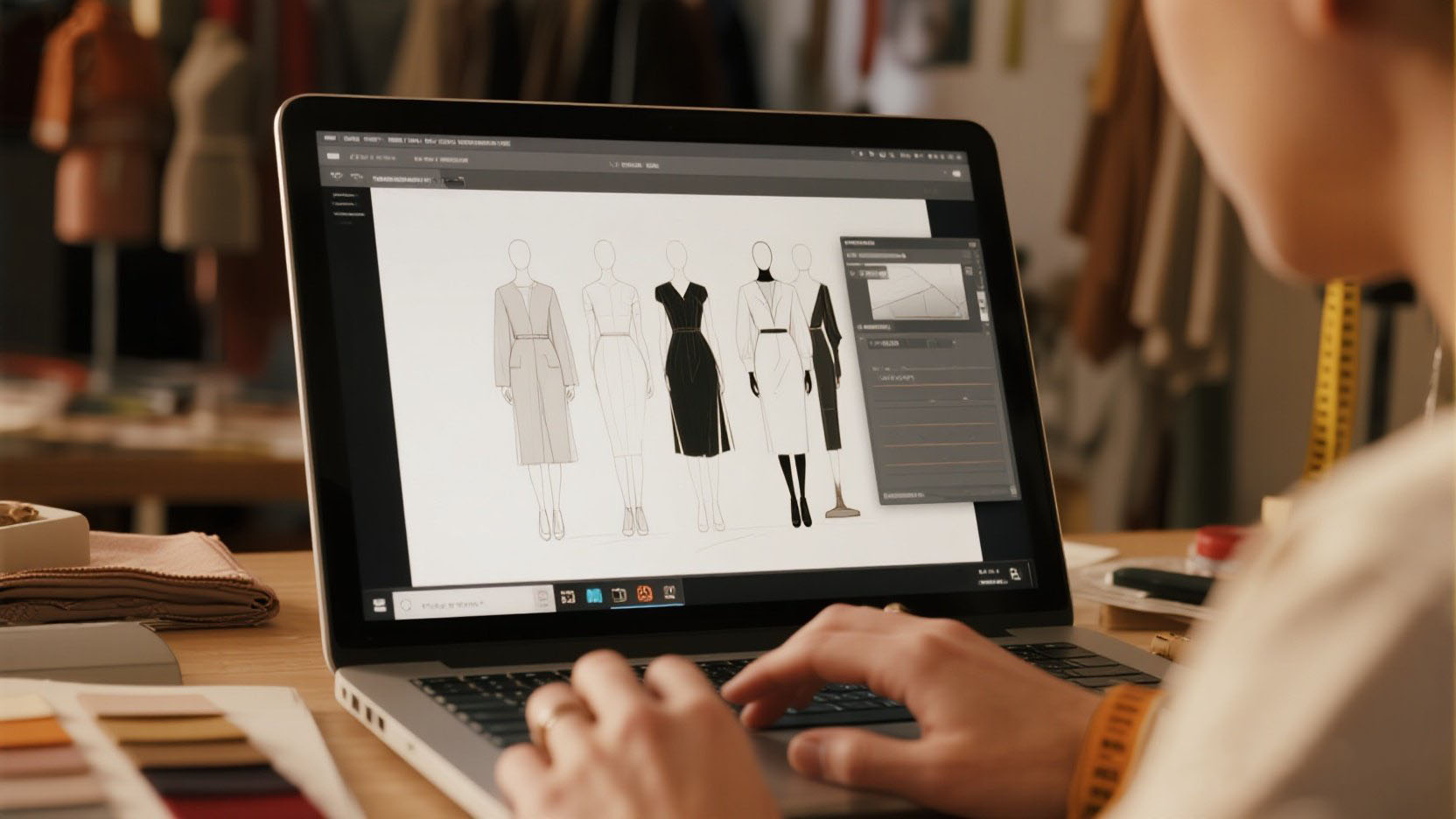
Integrate design services, customization, and OEM/ODM steps into a single, traceable workflow to reduce cycle time and error rates. Begin with a clear brief and design criteria that translate into a tech pack (measurements, construction, print positions, colorways, material specs). Align sourcing with compliance risk (e.g., inks, trims), then move to sampling and fit, building a feedback loop to refine materials and construction. When samples meet specification, schedule production, stabilize quality with defined control points, and confirm final QC matches the acceptance criteria. Expect sampling windows of roughly 7–14 days for simpler styles and longer for complex constructions; production windows vary with customization method and capacity. Align your sourcing scope with categories via the Sportswear Bridge product catalog to streamline transitions from design to manufacturing.
Cost, MOQ, and Lead Time: Negotiation Tips for Custom Clothing
Budget, MOQ, and timeline are interconnected. Clarify customization methods (screen printing, embroidery, sublimation, heat transfer) since each affects MOQ, cycle time, and compliance risk. For volume planning, embroidery often supports MOQs near 100–300 pcs, while sublimation may align around 500–1,000 pcs, subject to panel complexity. Lead times vary by technique and capacity; robust factories can ship standard programs in 3–6 weeks after sample approval. Negotiate price on value drivers: fabric spec, print areas, stitch density, testing scope, and packing. Fix acceptance criteria in contracts, especially for print fastness, dimensional stability, and restricted substances; tie non-conformance to corrective actions and escalation timelines.
Vendor Comparison: Apparel Customization Techniques
| Technique | Typical MOQ | Durability | Handfeel | Lead Time | Compliance Notes |
|---|---|---|---|---|---|
| Screen Printing | 200–500 pcs | High (proper curing) | Layered ink feel | 2–3 weeks post sample | Ink chemistries must meet REACH Annex XVII; check phthalates/azo |
| Heat Transfer (DTF/PU) | 100–300 pcs | Medium–High | Film layer feel | 1–2 weeks post sample | Adhesives/plastisol must comply with REACH |
| Embroidery | 100–300 pcs | Very High | Textured stitch | 2–4 weeks | Threads and backing should be tested for formaldehyde/heavy metals |
| Sublimation | 500–1,000 pcs | High (polyester) | No raised print | 3–5 weeks | Papers/inks must be compliant; check VOCs and colorfastness |
REACH Compliance & Quality Assurance Checklist for OEM/ODM Apparel
| Criterion | Evidence Required | Decision Impact |
|---|---|---|
| Chemical Compliance (REACH) | Material-level test reports aligned to Annex XVII | Go/No-Go before production release |
| Consumer Safety (OEKO‑TEX) | Valid STANDARD 100 certificate with scope | Preferred supplier status; reduced testing burden |
| Quality System | ISO 9001 certificate; control plan; inspection levels | Predictable yield; lower defect rate (target <1.5%) |
| Social Compliance | WRAP or amfori BSCI audit reports (WRAP, amfori BSCI) | ESG alignment; reduced reputational risk |
| Lab Independence | Third-party testing via Intertek or SGS | High confidence in compliance results |
Risk Management: Testing, Audits, and Contract Terms
Embed risk control into the contract: define restricted substances, sampling standards, and pass/fail criteria; require pre-shipment testing on production lots and specify retest and corrective-action timelines. Secure audit transparency (WRAP/amfori BSCI) and enforce right-to-audit clauses. Tie payment milestones to deliverables (approved samples, passed test reports). Keep a change log for materials or processes, and require immediate notice for substitutions. For global distribution, verify regional compliance (EU REACH, U.S. CPSIA). A structured plan reduces defect rates to <1.5%, limits rework to <2% of PO value, and protects delivery schedules.
Frequently Asked Questions
Which apparel manufacturing and customization services are available, including OEM/ODM and design?
Sportswear Bridge provides clothing products, apparel manufacturing services, design services, customization services, and OEM/ODM services aligned to buyer needs. See the homepage and the product catalog for scope.
What is your workflow from design service to finished custom sportswear?
Sportswear Bridge offers design services that progress into customization and OEM/ODM manufacturing, connecting concept to production within one managed process. For background, review the company profile.
How do you approach pricing for custom apparel projects across design, manufacturing, and OEM/ODM?
Sportswear Bridge prices projects according to service scope (design, customization, OEM/ODM) and product requirements. Start by exploring the product catalog and initiating a specification-led request.
What product categories can be customized and ordered?
Sportswear Bridge supports customizable sportswear and related apparel categories. Browse available lines and options in the product catalog and align selections with your program goals.
Conclusion
A compliance-first mindset is the safest, fastest way to source custom apparel. By aligning REACH, OEKO‑TEX, ISO 9001, WRAP, and amfori BSCI with disciplined workflow—from design services to OEM/ODM manufacturing—you reduce risk, protect timelines, and build brand trust. To evaluate capabilities and begin a specification-driven request, visit the Sportswear Bridge homepage and the product catalog to start your project.