Definition and Importance
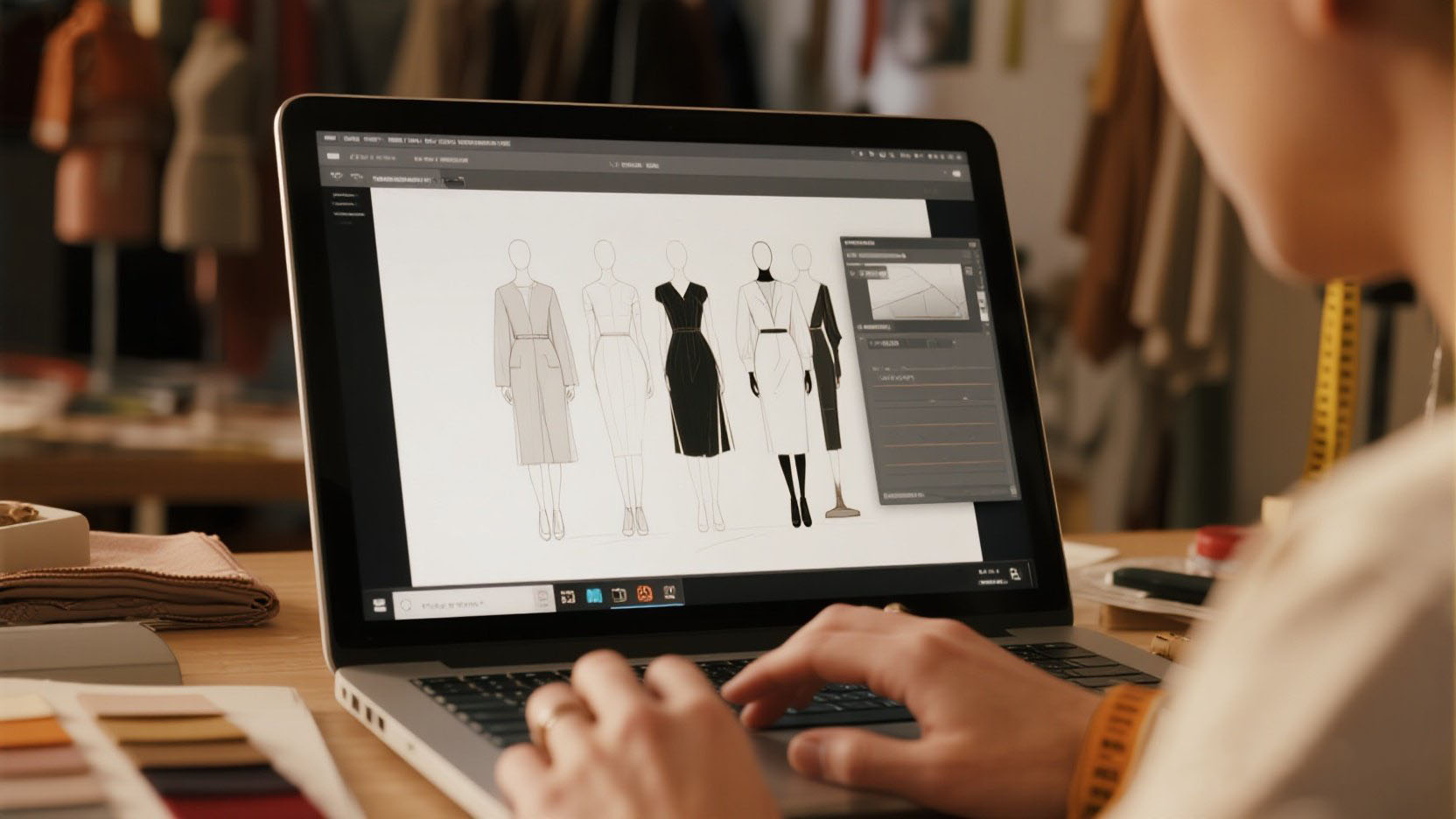
Apparel ODM service is an end‑to‑end model in which a manufacturer designs, develops, and produces garments that are branded and sold under a client’s private label trademark, integrating design ownership with full-scale manufacturing and quality control as recognized in intellectual property practice.
In apparel manufacturing and design services, ODM consolidates concept creation, technical specification, sourcing, sampling, and bulk production, enabling faster speed‑to‑market and consistent quality across OEM/ODM service portfolios. It also aligns with due‑diligence expectations for garment supply chains set by international policy bodies.
 -
-
Core Process Steps
Design-to-Production Workflow
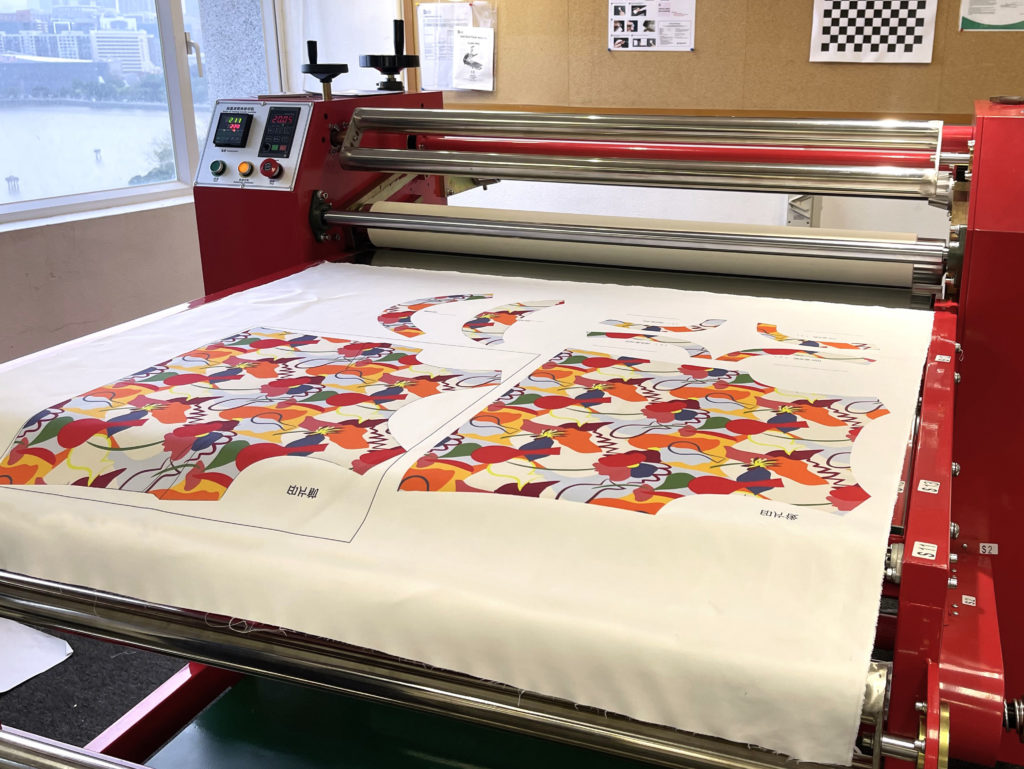
The ODM lifecycle typically includes: concept briefing, market alignment, tech-pack development, material sourcing, prototyping, fit and grading, pre‑production planning, bulk manufacturing, multi‑stage QA, and logistics with labeling and documentation. Governance is supported by quality management practices such as ISO’s quality management frameworks.
Key Attributes and Specifications
ODMs integrate design ownership, testable specifications (tech packs), vendor-managed sourcing, scalable production lines, and traceability (labels, barcodes, data capture) using global standards such as GS1, while aligning with quality management practices from ISO.
| Model | Design Responsibility | Brand Ownership | Typical Use |
|---|---|---|---|
| OEM | Client provides design | Client | Cost‑efficient replication |
| ODM | Supplier designs | Client (private label) | Speed + turnkey execution |
| OBM | Supplier designs | Supplier | Supplier’s own brand |
Engagement Models and Classification
Common engagement types include: full ODM (supplier leads concept), co‑design (joint ideation and approvals), and OEM with design support (client design with supplier tweaks). Selection depends on brand control, timeline, and risk allocation.
Value and Significance
- Speed‑to‑market through integrated design, sourcing, and production; aligned with industry insights on agility from global research firms.
- Quality assurance via documented processes and stage‑gates inspired by recognized QMS frameworks from ISO.
- Traceability and labeling compatible with retailer requirements using GS1 identification standards.
- Compliance readiness for social, environmental, and due‑diligence expectations in garment supply chains as recommended by policy bodies and factory social compliance programs such as WRAP.
Contextual Applications
Typical Use Cases in Apparel Manufacturing
Private‑label brands leverage ODM to expand assortments (e.g., athleisure sets, essentials, seasonal outerwear) without building in‑house pattern and sourcing teams. Retailers use ODM lines to test new categories with controlled MOQs, while factory managers coordinate flexible lines to meet demand spikes. Trademark ownership remains with the client brand per IP practice, and factory compliance aligns to social responsibility programs like WRAP.
Connections and Extensions
To explore technical detailing (e.g., fabric choices, performance specs, labeling and compliance), start a private‑label brief with our team.
In apparel manufacturing and design services, T&B Fashion Group focuses on turnkey ODM/OEM support—concept-to-bulk execution, sourcing, sampling, quality planning, and logistics—helping brand founders, retail buyers, and industry audiences leverage ODM to reduce lead times and improve consistency across seasons.
Common Questions
Question: Is ODM the same as OEM in apparel manufacturing?
Answer: No. In OEM the client supplies the design and the manufacturer produces to spec; in ODM the supplier designs and manufactures products that the client sells under a private label trademark—brand ownership remains with the client, while design authorship is on the supplier side. This distinction aligns with industry guidance from apparel associations and IP practice such as AAFA and WIPO, and is managed through documented development processes in quality systems recognized by ISO.